Domain business-welt.de kaufen?
Wir ziehen mit dem Projekt
business-welt.de um.
Sind Sie am Kauf der Domain
business-welt.de interessiert?
domain@kv-gmbh.de · 0541-91531010
Domain business-welt.de kaufen?
Cake or fake?
It depends on the context. If you are asking about a choice between eating cake or something that is not real, then cake would be the preferred option. However, if you are asking about the authenticity of something, then fake would imply that it is not genuine or real. **
Will or gonna?
"Will" and "gonna" are both used to express future actions, but there are slight differences in their usage. "Will" is more formal and is used in more formal situations, while "gonna" is a more informal and colloquial way of expressing future actions. **
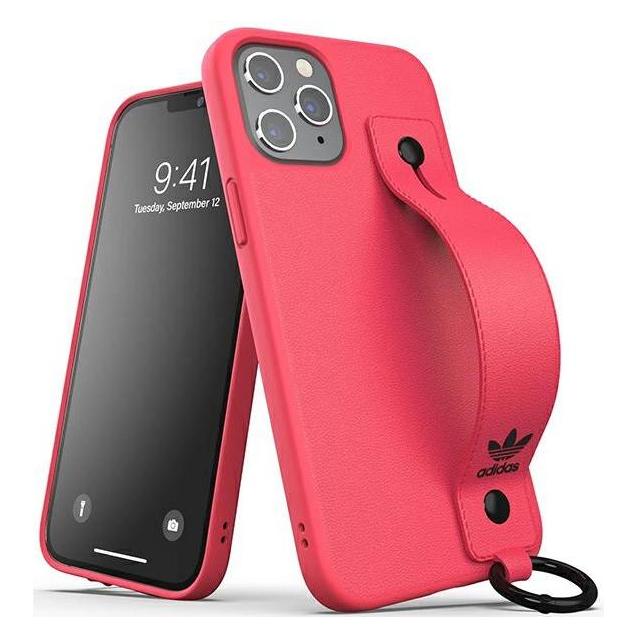
Ähnliche Suchbegriffe für Adidas-OR-Handschlaufentasche-FW20
Top-Angebote
Produkte zum Begriff Adidas-OR-Handschlaufentasche-FW20:
-
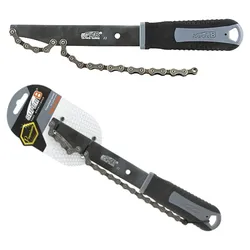
SuperB Kettenpeitsche TB-FW20, PremiumKettenpeitsche TB-FW20 SuperB Premium SuperB Kettenpeitsche TB-FW20 SuperB Premium Für alle 5- bis 11-fach Freilauf- und Kassettenzahnkränze Weicher und rutschfester 2-Komponentengriff Einzelhandelsverpackung. Hersteller- und Sicherheitsinformationen: Messingschlager GmbH & Co. KG, Haßbergstr. 45, 96148 Baunach, DE, kontakt@messingschlager.com30,49 €*Versand: 0,00 €Sichere Weiterleitung zum Anbieter


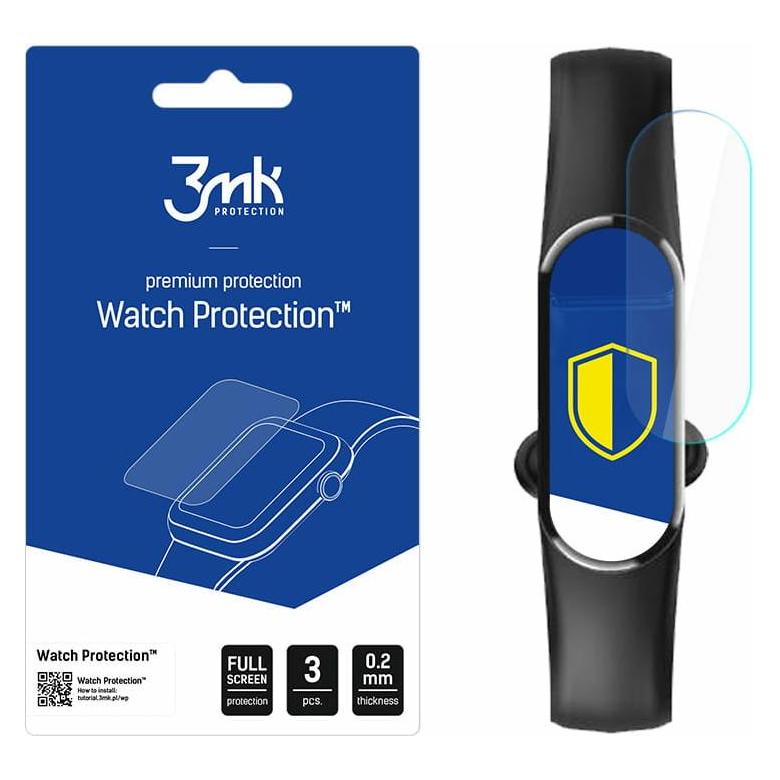
-
Do or does?
The choice between "do" and "does" depends on the subject of the sentence. "Do" is used with plural subjects and "does" is used with singular subjects. For example, "They do their homework" and "She does her homework." **
-
Anyway or anyways?
Both "anyway" and "anyways" are commonly used in spoken English to mean the same thing. However, "anyway" is more widely accepted and considered to be the standard form. "Anyways" is often considered to be more informal or colloquial. **
-
Doesn't or don't?
The correct form to use depends on the subject of the sentence. "Doesn't" is used with singular subjects, while "don't" is used with plural subjects. For example, "He doesn't like coffee" (singular subject) and "They don't like coffee" (plural subject). **
-
Travelling or traveling?
Both "travelling" and "traveling" are correct spellings of the word, but they are used in different regions. "Travelling" is more commonly used in British English, while "traveling" is more commonly used in American English. **


Do or make?
The choice between "do" and "make" depends on the context and the specific action being referred to. "Do" is generally used for activities or actions that involve performing or carrying out something, while "make" is used for creating or producing something tangible. For example, you would say "do your homework" but "make a cake." **
Go or goes?
The correct form would depend on the subject of the sentence. "Go" is used with the pronouns "I," "you," "we," and "they," while "goes" is used with the pronouns "he," "she," and "it." For example, "I go to the store" and "She goes to the store." **
Top-Angebote
Produkte zum Begriff Adidas-OR-Handschlaufentasche-FW20:
-
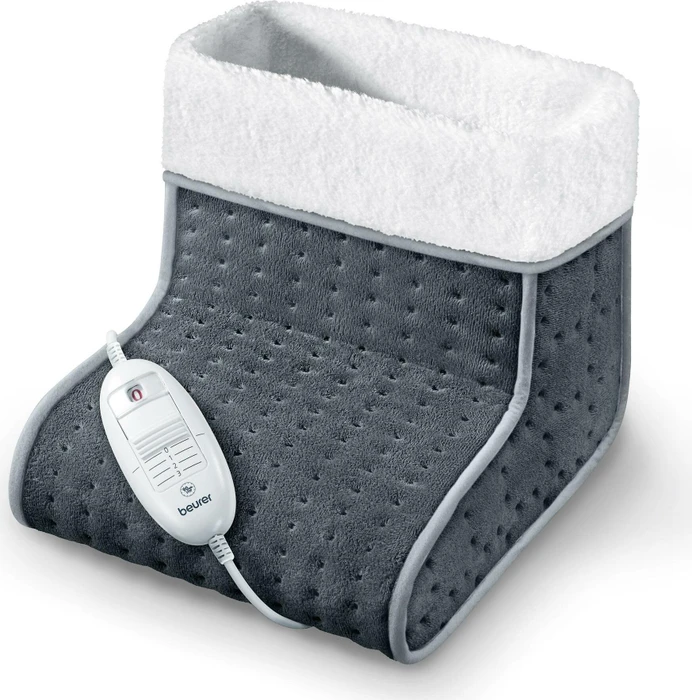
Beurer FW20Fußwärmer - Größe 32 x 26 x 26 cm, auch für große Beine geeignet, extra weiche Oberfläche, atmungsaktiv, Beurer BSS-Schutzsystem, automatische Abschaltung nach 90 min. weicher Plüsch, Plüschecken können entfernt werden, Handwäsche, 100W Mögen Sie auch häusliche Wärme? Wenn selbst ein heißer Ofen nicht ausreicht, kann ein FußwärmerBeurer FW 20 Linderung verschaffen. Dank des bequemen Materials und der Schnellheizfunktion wärmen sie I69,90 €*Versand: 4,99 €Sichere Weiterleitung zum Anbieter
-
Cake or fake?
It depends on the context. If you are asking about a choice between eating cake or something that is not real, then cake would be the preferred option. However, if you are asking about the authenticity of something, then fake would imply that it is not genuine or real. **
-
Will or gonna?
"Will" and "gonna" are both used to express future actions, but there are slight differences in their usage. "Will" is more formal and is used in more formal situations, while "gonna" is a more informal and colloquial way of expressing future actions. **
-
Do or does?
The choice between "do" and "does" depends on the subject of the sentence. "Do" is used with plural subjects and "does" is used with singular subjects. For example, "They do their homework" and "She does her homework." **
-
Anyway or anyways?
Both "anyway" and "anyways" are commonly used in spoken English to mean the same thing. However, "anyway" is more widely accepted and considered to be the standard form. "Anyways" is often considered to be more informal or colloquial. **
Ähnliche Suchbegriffe für Adidas-OR-Handschlaufentasche-FW20
-
SuperB Kettenpeitsche TB-FW20, PremiumKettenpeitsche TB-FW20 SuperB Premium SuperB Kettenpeitsche TB-FW20 SuperB Premium Für alle 5- bis 11-fach Freilauf- und Kassettenzahnkränze Weicher und rutschfester 2-Komponentengriff Einzelhandelsverpackung. Hersteller- und Sicherheitsinformationen: Messingschlager GmbH & Co. KG, Haßbergstr. 45, 96148 Baunach, DE, kontakt@messingschlager.com30,49 €*Versand: 0,00 €Sichere Weiterleitung zum Anbieter
-
Stiftung Warentest Existenzgründung - Förderung Finanzplanung Marketing Recht & Steuern Unternehmensgründung Für EinsteigerExistenzgründung - Förderung Finanzplanung Marketing Recht & Steuern Unternehmensgründung für Einsteiger. Thomas Hammer. eBook (EPUB).34,99 €*Versand: 0,00 €Sichere Weiterleitung zum Anbieter
-
Doesn't or don't?
The correct form to use depends on the subject of the sentence. "Doesn't" is used with singular subjects, while "don't" is used with plural subjects. For example, "He doesn't like coffee" (singular subject) and "They don't like coffee" (plural subject). **
-
Travelling or traveling?
Both "travelling" and "traveling" are correct spellings of the word, but they are used in different regions. "Travelling" is more commonly used in British English, while "traveling" is more commonly used in American English. **
-
Do or make?
The choice between "do" and "make" depends on the context and the specific action being referred to. "Do" is generally used for activities or actions that involve performing or carrying out something, while "make" is used for creating or producing something tangible. For example, you would say "do your homework" but "make a cake." **
-
Go or goes?
The correct form would depend on the subject of the sentence. "Go" is used with the pronouns "I," "you," "we," and "they," while "goes" is used with the pronouns "he," "she," and "it." For example, "I go to the store" and "She goes to the store." **
* Alle Preise verstehen sich inklusive der gesetzlichen Mehrwertsteuer und ggf. zuzüglich Versandkosten. Die Angebotsinformationen basieren auf den Angaben des jeweiligen Shops und werden über automatisierte Prozesse aktualisiert. Eine Aktualisierung in Echtzeit findet nicht statt, so dass es im Einzelfall zu Abweichungen kommen kann. ** Hinweis: Teile dieses Inhalts wurden von KI erstellt.